By Doug Poskitt ’89, Dean of Faculty
This school year, Tower Hill teachers had the opportunity to work closely with David Yeager, PhD, author of “10 to 25: The Science of Motivating Young People,” in a year-long program designed for our school.
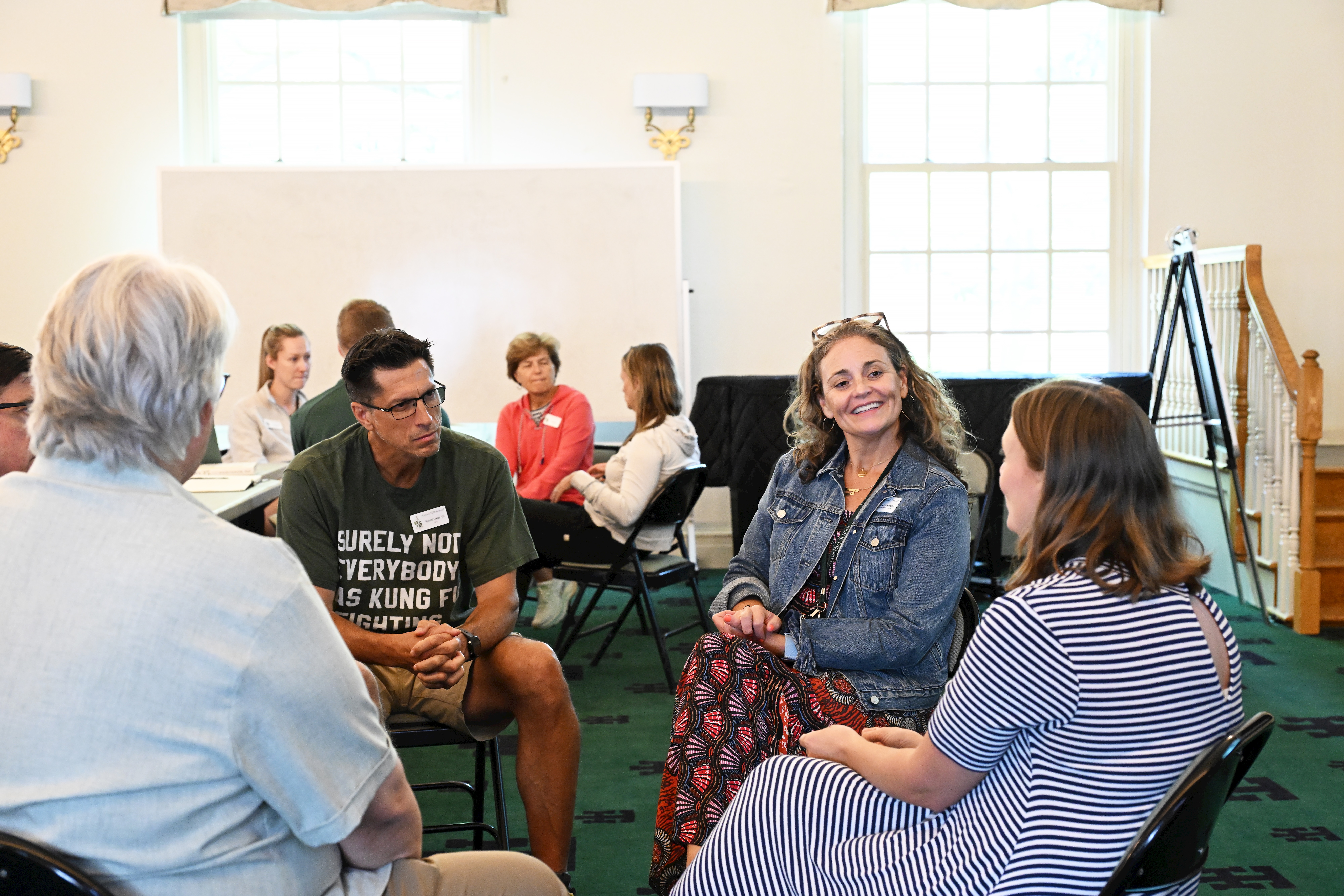
Yeager’s latest book argues that adults can effectively inspire the next generation by adopting a mentor mindset that balances high expectations with high support, specifically by leveraging a young person’s neurobiological need for status, respect and autonomy. This cohort has included almost 40 colleagues from all disciplines and divisions who meet with the author four times during the school year. Such an engaged community of scholars has provided a forum for important discussions about how to incorporate the latest research about adolescent psychology into our daily teaching practices.
Through guided reading, reflection and dialogue, participants have deepened their understanding of the developmental needs of their students while exploring research-based strategies that foster motivation and resilience. The purpose of the cohort is not only to examine how we can more effectively support students in becoming independent, well-adjusted contributors to society, but also to reflect on how these insights can make our work as educators more rewarding and sustainable. By the end of the school year, teachers should have a stronger mentor mindset, practical tools to apply in their classroom and advisory roles, plus a shared language for inspiring young people to thrive in school and beyond.
Our collective study has centered around a workbook that provides structure for our meetings together and assignments between meetings. Each chapter provides a brief summary, key takeaways, reflection questions and activities to help guide our learning and prepare us for the next session. A choice of assignments for each session allows participants to focus on what matters most to their instructional practice and areas of exploration. In addition, the workbook includes a tab where teachers can record and share their thoughts and reflections publicly, creating an ongoing space for dialogue and collective insight.
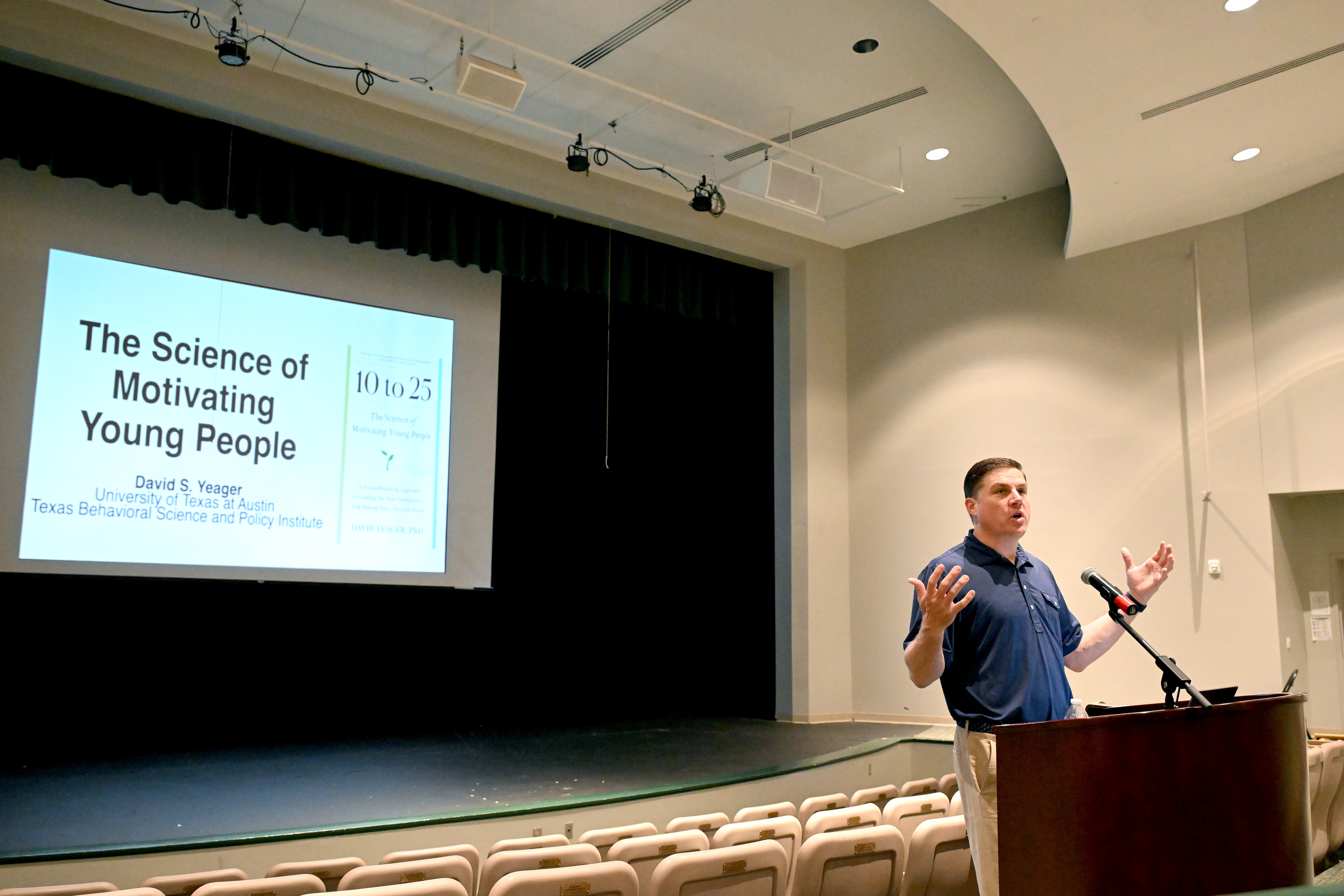
Here are some of their comments:
- “During the conversation with Dr. Yeager, I really picked up on the idea that repeating the ‘why’ behind assignments can add meaning for students. I intend to implement and take time to do this more frequently.”
- “Dr. Yeager’s research on the generational divide was humbling. Maybe the gap between me and my students isn’t about values, but about context. They are navigating a much more complex world than I did at their age.”
- “This cohort provides an opportunity to explore the book’s concepts, which are broadened and deepened by the small group work. The experiences of fellow teachers create more ways to understand the many approaches shared by Dr. Yeager.”
- “The segments on the innate need for status and respect resonated strongly with me. Yeager’s insights on harnessing this drive, rather than suppressing it, underscore two crucial factors for effective educational practice: the need to model respect and to provide clear opportunities for students to earn status through positive contributions.”
- “What I keep circling back to is the idea of ‘questioning as a gift.’ Dr. Yeager suggests that, when students question, it’s not a sign of defiance, but of engagement and making meaning. I wonder how often I’ve shut down or rushed past questions because of time, inadvertently signaling that curiosity doesn’t belong in my classroom.”
Because of Tower Hill’s increased investment in professional development this year, our faculty have been able to reflect on their own teaching practices to align them with the most recent developmental science of adolescence and early adulthood. They have collaborated with colleagues across all disciplines and divisions to exchange insights, challenges and successes in applying Dr. Yeager’s framework to real-life teaching. In addition, this year-long opportunity is helping to sustain their personal wellbeing as educators by adopting approaches that make the work of teaching both more effective and fulfilling.












.jpg&command_2=resize&height_2=85 "Drew Pratt '23")